


5 MWh BESS
Brunstock’s 5 MWh battery energy storage systems (BESS) can be positioned in front of the meter as grid BESS or behind the meter as C&I BESS. Grid BESS are connected at the distribution or transmission level, injecting power directly into the electricity grid and play a critical role in today’s energy market. In smaller megawatt applications, this same product are front-of-the-meter assets, used for solar-firming, shifting and grid-support services.
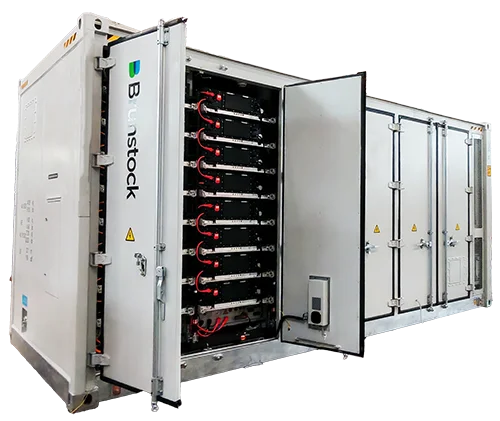
Brunstock’s 5 MWh DC blocks are engineered to store vast amounts of energy, measured in megawatt-hours (MWh), which can be dispatched to the grid as needed. This capability is crucial for managing the intermittent nature of renewable energy sources like solar and wind, which can produce surplus energy during peak production times.
By storing this excess energy, our 5 MWh BESS ensure a consistent and reliable supply of electricity, even when renewable generation is low.
Brunstock’s DC block (5 MWh+)
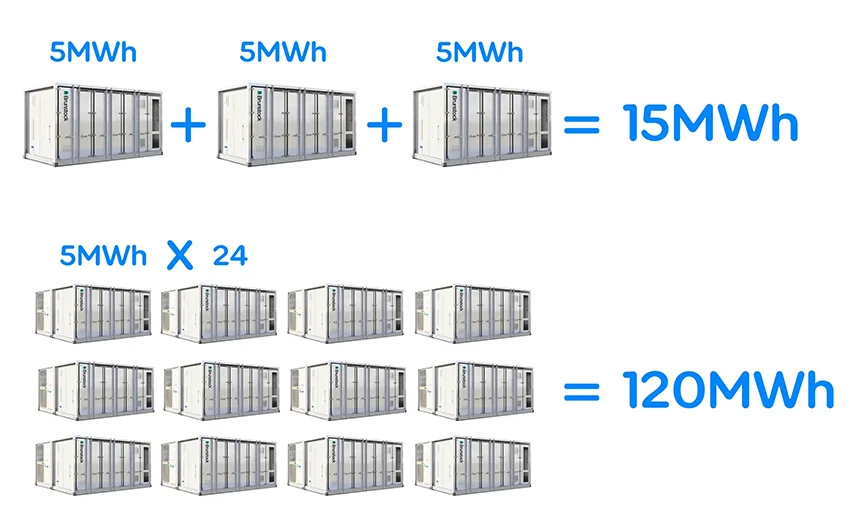
Scalable utility storage built from modular 5 MWh BESS units
Brunstock’s 5 MWh BESS unit is the building block for projects of 5 MWh and over. Three BESS units deliver 15 MWh; twenty-four deliver 120 MWh, etc. Our solutions are sized to your requirements, not fixed configurations.
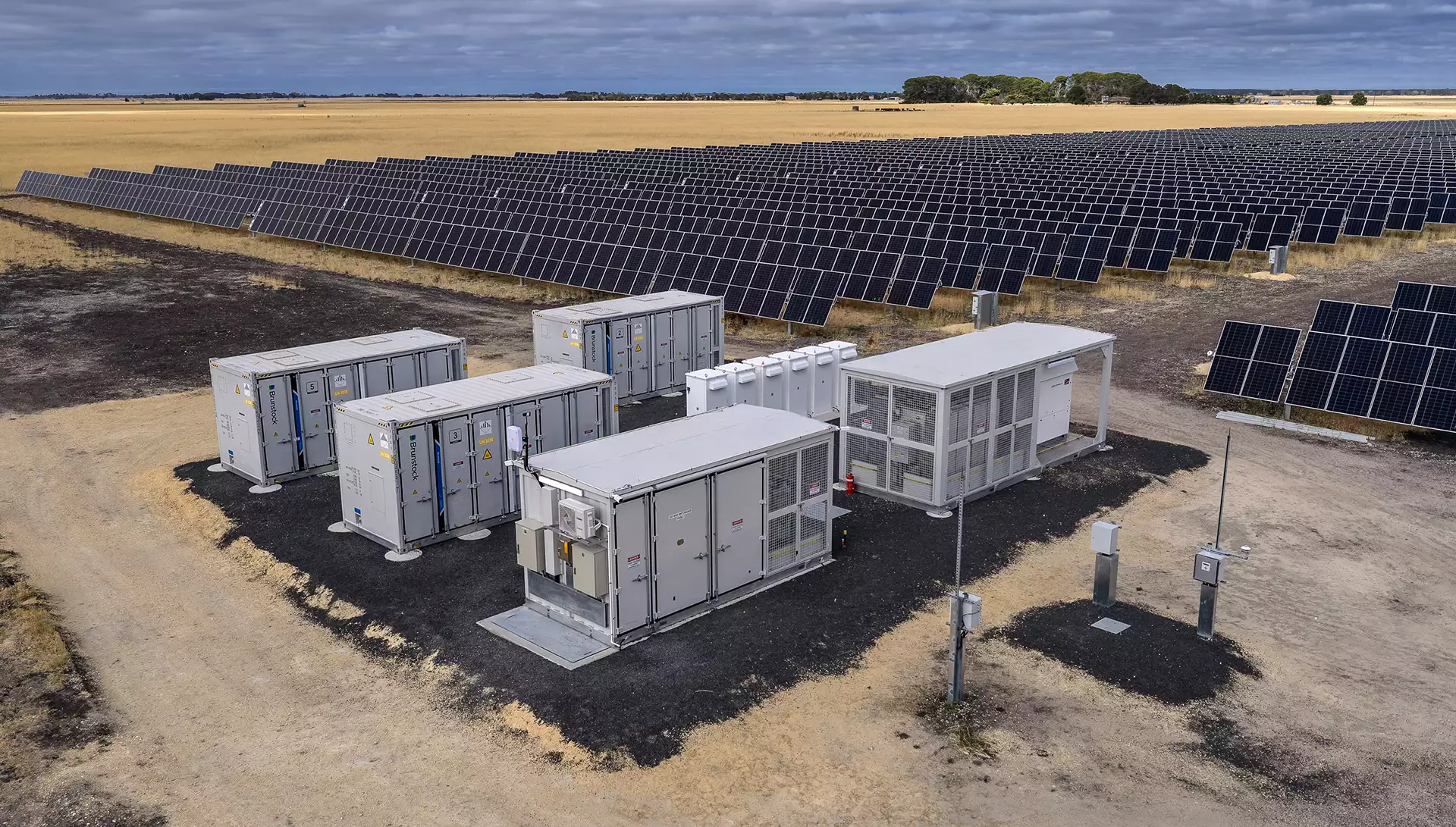
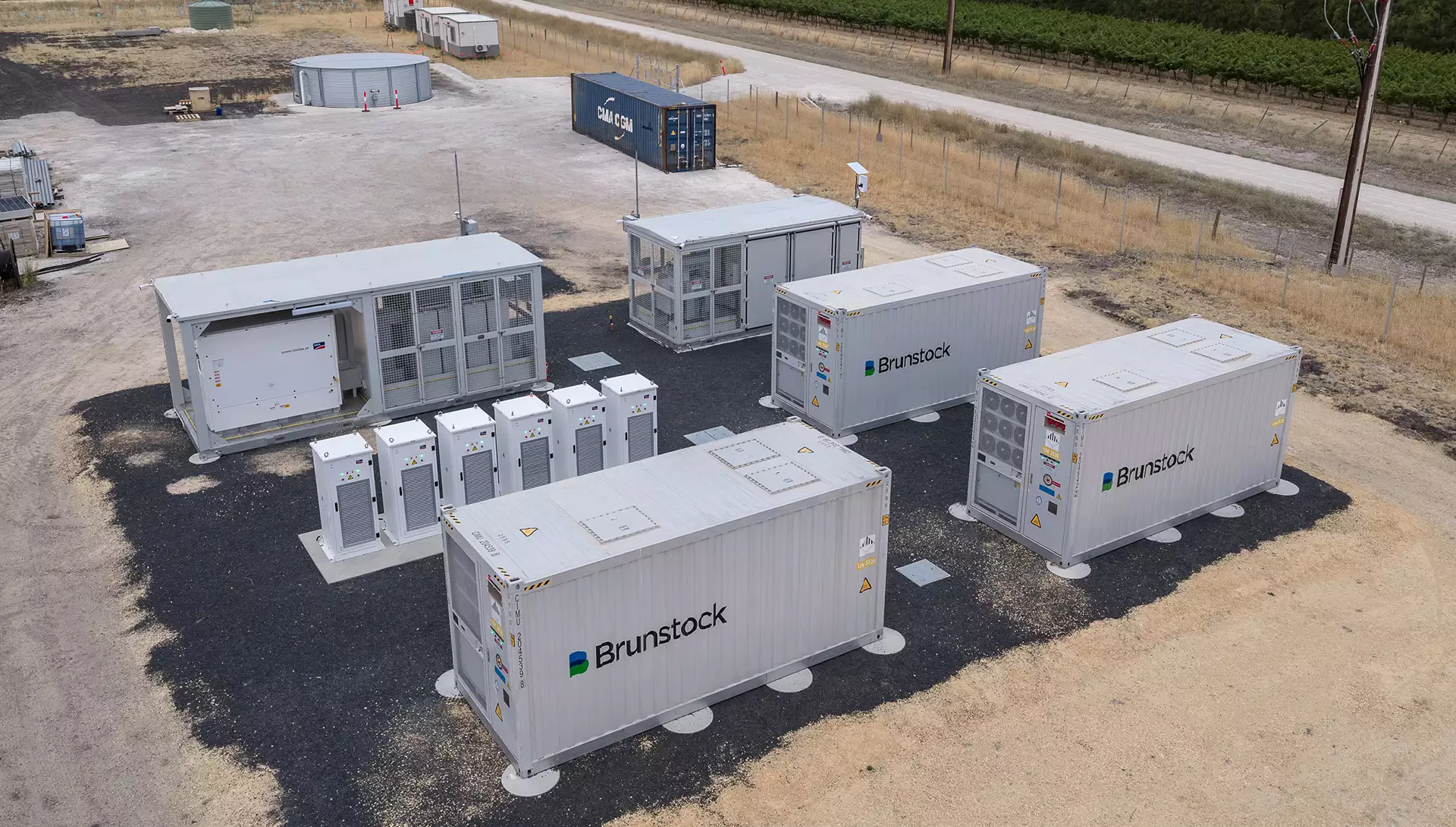
We also include the necessary step-up stations for our BESS. These include components like a transformer, SF6-free switchgear and a power conversion system (PCS).

Brunstock supplies battery energy storage systems to support grid stability. These systems absorb energy during low demand and release it during peaks, balancing supply and demand and reducing blackout risk.
Large-scale storage capacity makes grid BESS ideal for reserve power, grid support services and enhancing network flexibility.
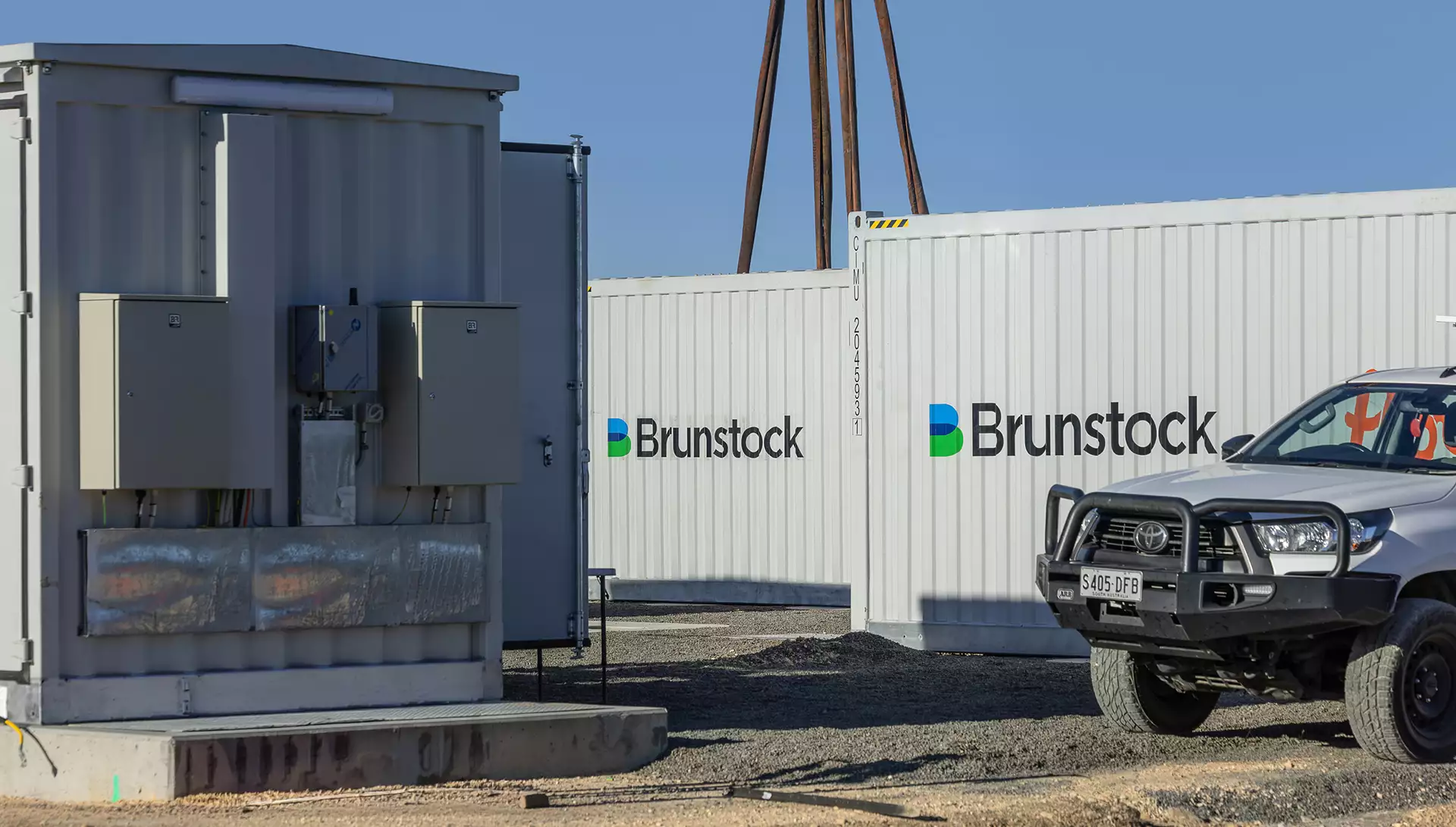
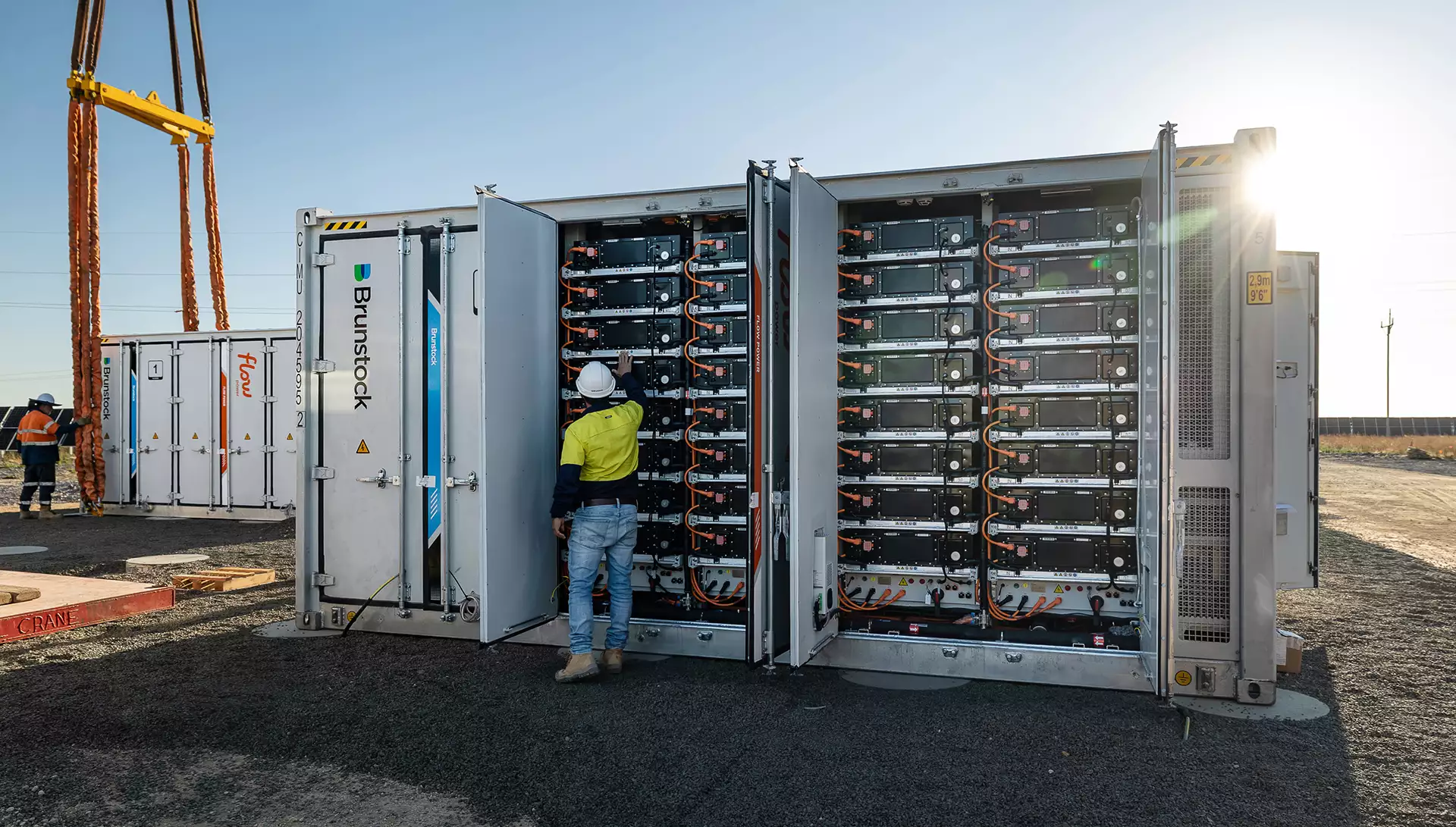
Massive capacity
Our grid BESS are designed to handle substantial amounts of energy, measured in megawatt-hours (MWh). Our grid-scale energy storage solutions can be found around the world, including in Switzerland and Australia.
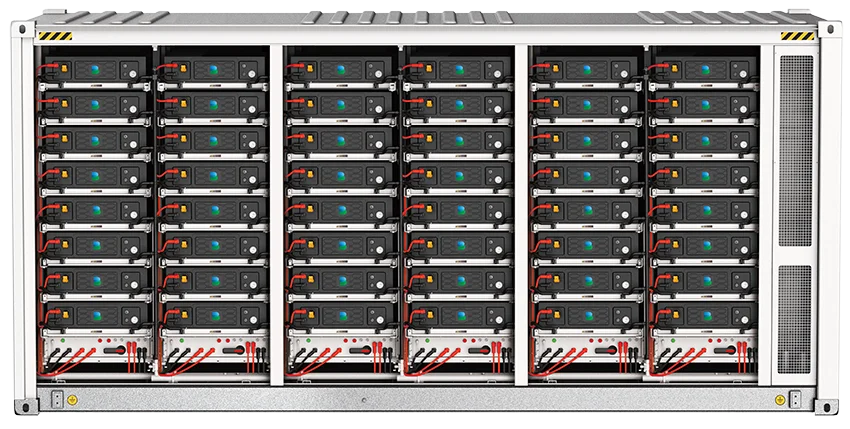
Our Brunstock BESS units are modular and scalable. For instance, a single utility-scale BESS installation by a Brunstock representative in your area can have a capacity of several hundred MWh, enough to power thousands of homes for several hours.
These large storage capacities allow the BESS to play a pivotal role in energy management by storing excess energy generated during periods of low demand or high renewable generation and dispatching it during peak demand times. This capability not only supports grid reliability but also enhances the integration of renewable energy sources into the grid.
By absorbing and releasing energy as needed, Brunstock’s grid BESS helps to smooth out fluctuations in energy supply and demand, thereby preventing blackouts and supporting grid stability. This technology is essential for modern energy infrastructure, ensuring a reliable supply of electricity as countries in Africa, Asia Pacific and Europe transition to more renewable energy sources.
Grid stability
5 MWh energy storage blocks play a vital role in ensuring grid reliability by smoothing out fluctuations in energy supply and demand. These systems absorb excess energy during periods of low demand or high renewable generation and release it during peak demand times. This ability to balance supply and demand helps prevent blackouts, thereby supporting a stable and reliable grid.
Renewable integration
5 MWh BESS are instrumental in integrating renewable energy sources into the grid. Solar and wind energy, while abundant and sustainable, are inherently variable and dependent on environmental conditions. This variability can lead to periods of surplus energy production when the sun is shining brightly or the wind is blowing strongly, and periods of low production when these conditions are absent.
Brunstock BESS provides a solution to this challenge by storing excess energy generated during peak production times. For instance, during a sunny afternoon, a solar farm might produce more electricity than the grid requires. A 5 MWh + BESS can absorb this surplus energy, preventing it from going to waste. Conversely, during the night or cloudy days when solar production is low, your BESS will be able to release the stored energy, ensuring a consistent supply.
Similarly, wind farms often produce excess energy during windy periods, which can be stored in batteries. When the wind subsides, the stored energy can be dispatched to maintain a steady and reliable power supply. This capability to balance the intermittent nature of renewable energy sources not only stabilises the grid but also maximises the utilisation of renewable energy, reducing reliance on fossil fuels.
By facilitating the seamless integration of solar and wind energy into the grid, Brunstock BESS supports the transition towards a more sustainable and resilient energy infrastructure. This synergy between BESS and renewable energy sources is crucial for achieving long-term energy security and environmental sustainability.
Brunstock’s 5 MWh + BESS
Our response to the need for BESS around the world is to provide superior equipment that meets the needs of the local environment.
Our point of difference is our representatives, a team of local power grid and battery experts, available to help you during planning, implementation and operation. Brunstock reps offer the best of both worlds, local expertise and communication along with the scale of Brunstock’s large factories; those of its manufacturing partners.
Brunstock’s equipment is made with the entire lifecycle of each product solution in mind. The services of our reps include:

A. Planning, including specification, design and tender processes that help you come up with a technically feasible and ideal solution for your present and future energy needs*

B. Implementation, including project management, installation, compliance and training. We aim to exceed customer expectations with our delivery speed

C. Operation, including ongoing support with the maintenance of your BESS according to the commercial and long-term service agreements you choose

D. Improvement, including upgrades, modernisation, new equipment installation and process adaptation in the evolving landscape of clean energy

E. End of life processes, including dismantling and recycling some of the most valuable components used in the manufacture of lithium-ion batteries
For all this, you might think it comes with a hefty price tag, but Brunstock is a nimble power technology company and we offer competitive prices that are designed to help you keep costs under control.

Design standards
| No. Code
|
Name of standard
|
| 1 IEC 62619 | Secondary cells and batteries containing alkaline or other non-acid electrolytes – Safety requirements for secondary lithium cells and batteries, for use in industrial applications |
| 2 EN 62477 | Safety requirements for power electronic converter systems and equipment |
| 3 IEC 60730 | Automatic electrical controls |
| 4 IEC 63056 | Secondary cells and batteries containing alkaline or other non-acid electrolytes – Safety requirements for secondary lithium cells and batteries for use in electrical energy storage systems |
| 5 IEC 62933-5-2 | Electrical energy storage (EES) systems – Part 5-2: Safety requirements for grid-integrated EES systems – Electrochemical – based systems |
| 6 IEC 61000-6-2 | Electromagnetic compatibility (EMC) – Part 6-2: Generic standards – Immunity standard for industrial environments |
| 7 IEC 61000-6-4 | Electromagnetic compatibility (EMC) – Part 6-4: Generic standards – Emission standard for industrial environments |
| 8 UN 38.3 | United Nations Manual of Tests and Criteria for the Transport of Dangerous Goods, part 3, para. 38.3 |
| 9 UN 3536 | Lithium Batteries Installed In Cargo Transport Unit Lithium ion batteries or lithium metal batteries |
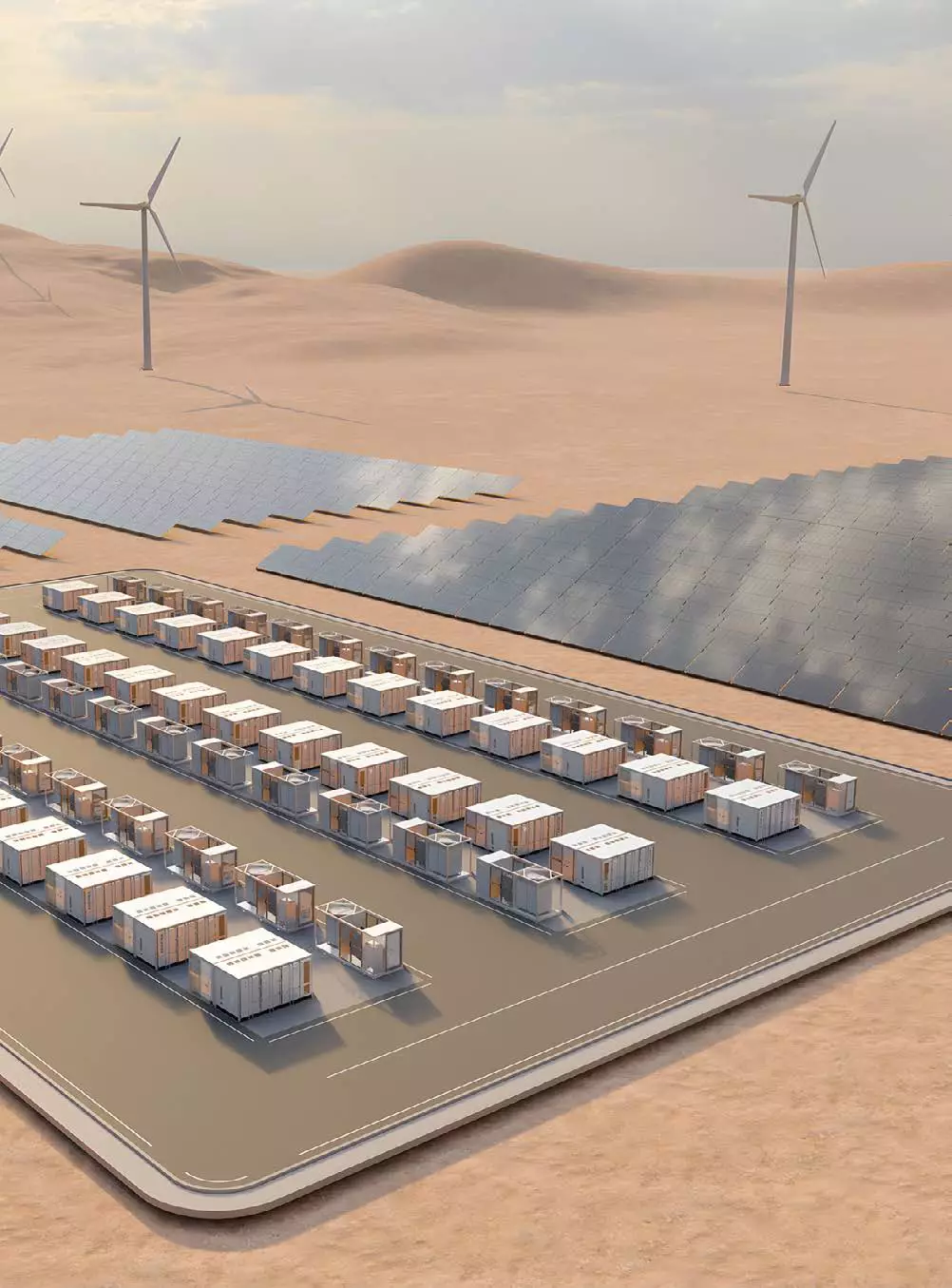
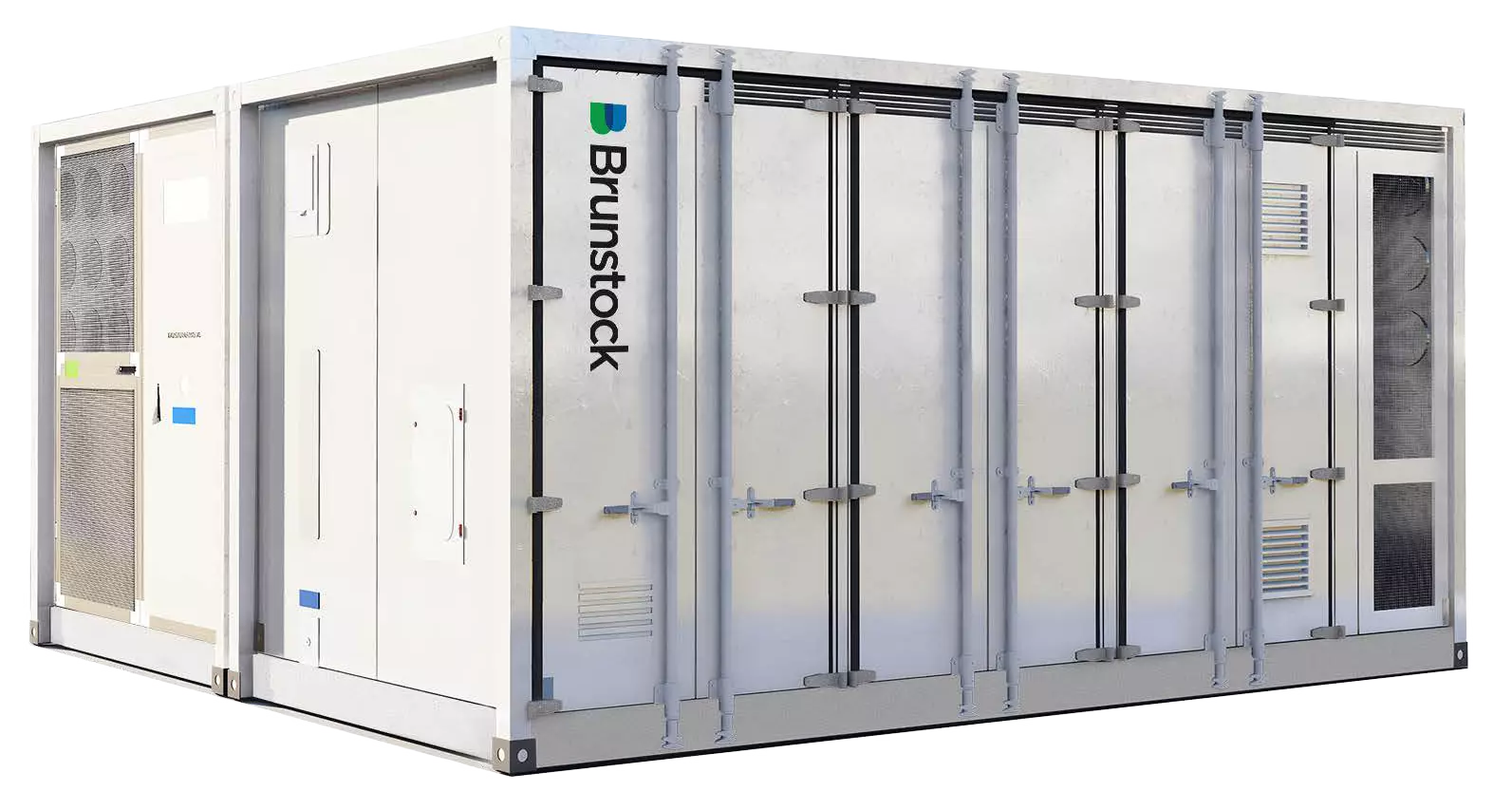
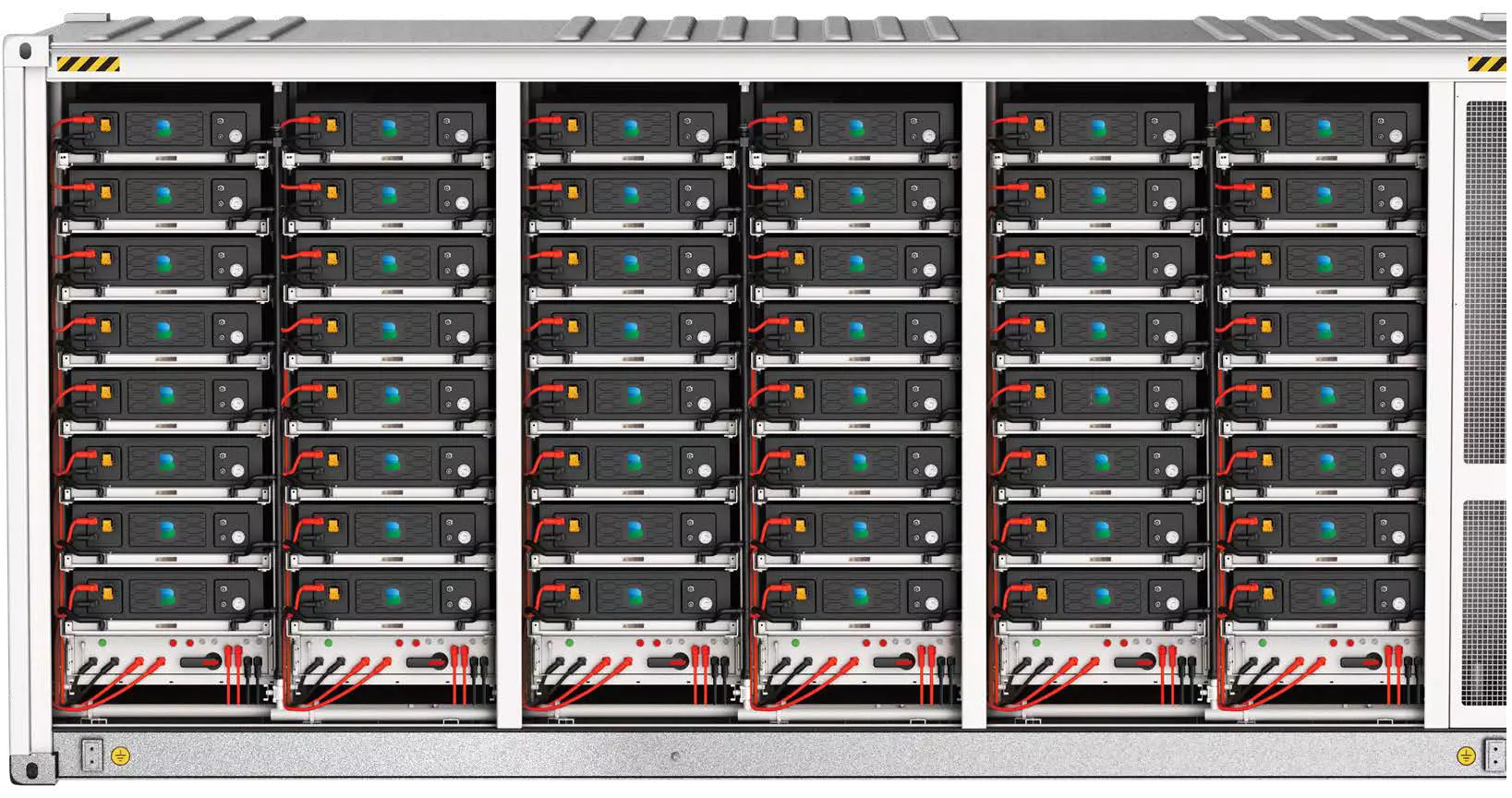
5 MWh Liquid Cooling BESS
Brunstock’s 5 MWh BESS products utilise liquid cooling. These battery energy storage systems integrate long-life batteries, a BMS, a thermal management system (TMS), a safety management system (SMS) and an intelligent power distribution system (IPD) in a 20-foot container.
Product features
- Safe
- Reliable
- Highly efficient
- Supports network construction
- Fast frequency modulation
| Item | Specification | Notes |
| Installation site | Outdoor battery container | |
| Operating altitude | Less than 2000 m | |
| Ambient temperature | – 20~+45 °C, Discharge -20~+45 °C Charge 0~+45 °C | The derates are below 0 ° C and above 45 °C |
| Storage and transport temperature | – 20~+55 °C | Recommended at 15-35 °C , and recharge it every 3 months. |
| Operating humidity range | 0-95%RH (No condensation) | |
| Noise level | Noise level ≤ 70 dB | Measurement at 1 m from the battery container |
Service regions
Brunstock supplies substation solutions and energy storage equipment to approved markets including Africa, Australia and Europe through its representatives in Australia, Germany, South Africa and Switzerland.
Our centralised manufacturing combined with local expertise ensures that our engineering solutions are deployed with outstanding customer service, compliance to regional standards and the benefits of economy-of-scale.



Chris Ball, from our global executive team, has recently visited...
Optimising megawatt charging in Switzerland with Brunstock BESS...
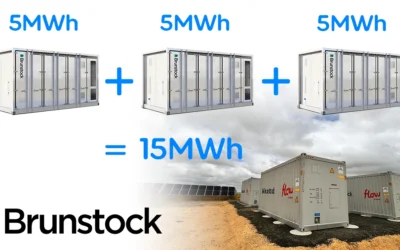
Not every energy storage project starts at 50 MWh. Some start south...
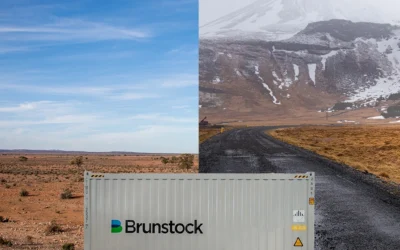
Earth doesn’t do mild. From searing heat to coastal salt, from dust...
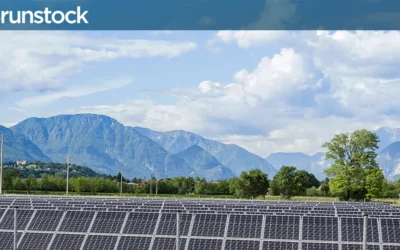
Standing at the edge of a solar farm like this, it’s clear how...
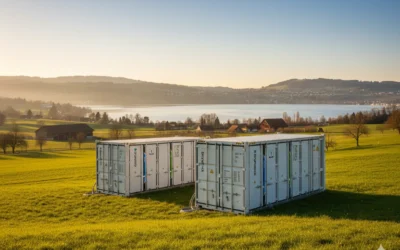
Strengthening Switzerland’s energy infrastructure with Brunstock...
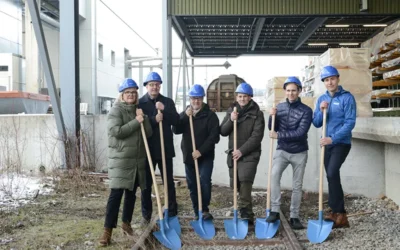
SABAG AG develops an integrated energy system for its Rothenburg...
Our manufacturing partners work tirelessly to produce some of the...
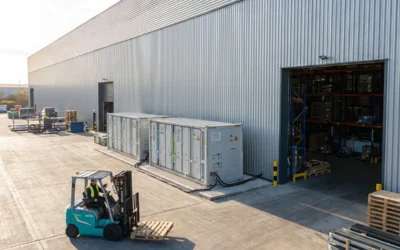
A privately financed energy‑storage project setting new standards in...
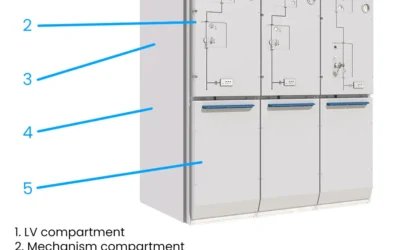
This is BGS-40.5 (Brunstock Gas-insulated Secondary switchgear to...
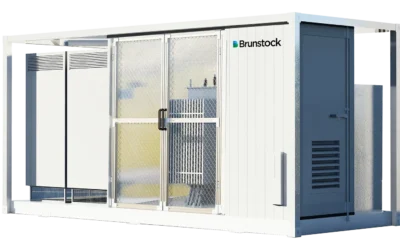
Introducing our intelligent, fast, reliable step-up skid station for...
* Disclaimer
The information provided in this article is for general guidance and illustrative purposes only. Any references to future developments, anticipated performance or potential solutions for customers’ energy needs are forward‑looking statements and should not be interpreted as binding commitments.
Neither Brunstock, nor any of its representatives, make any guarantees herein that the concepts, projections or examples described will be realised in practice. Actual product specifications, system performance and commercial terms may differ based on customer orders, site conditions, regulatory requirements and evolving market circumstances.
All commitments regarding the supply, installation, or operation of Battery Energy Storage Systems (BESS) are subject to the terms and conditions of a formal commercial agreement executed between Brunstock and the customer. Readers should not rely solely on the information in this article when making investment or operational decisions, but please contact us.